The tournament that expanded football’s map — and still ended with control, depth and defense winning the biggest prize.
Created with Julius AI - research, analysis, and presentation generation in one workspace.
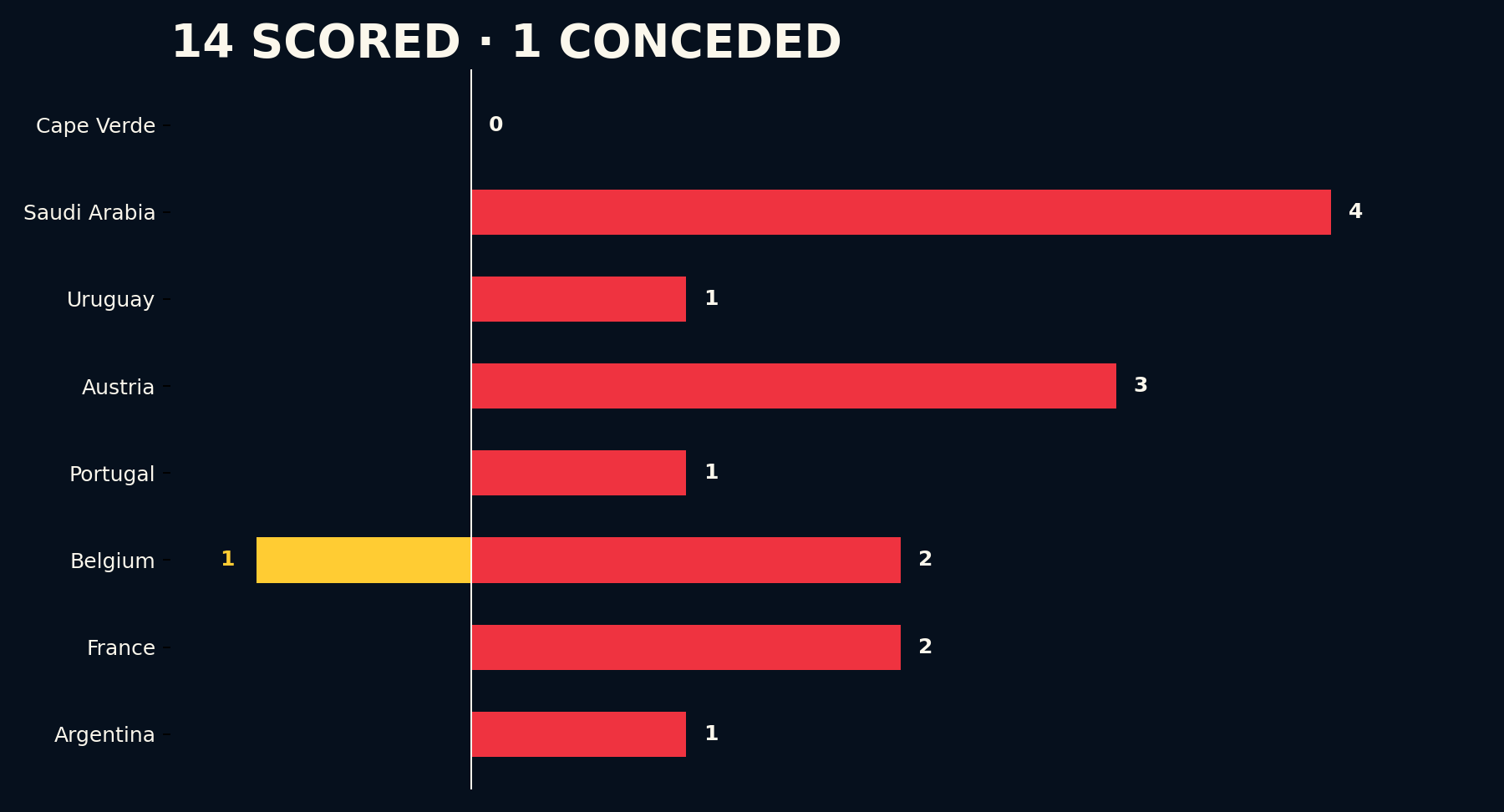
One goal conceded in eight matches, seven clean sheets and a midfield that controlled every phase.
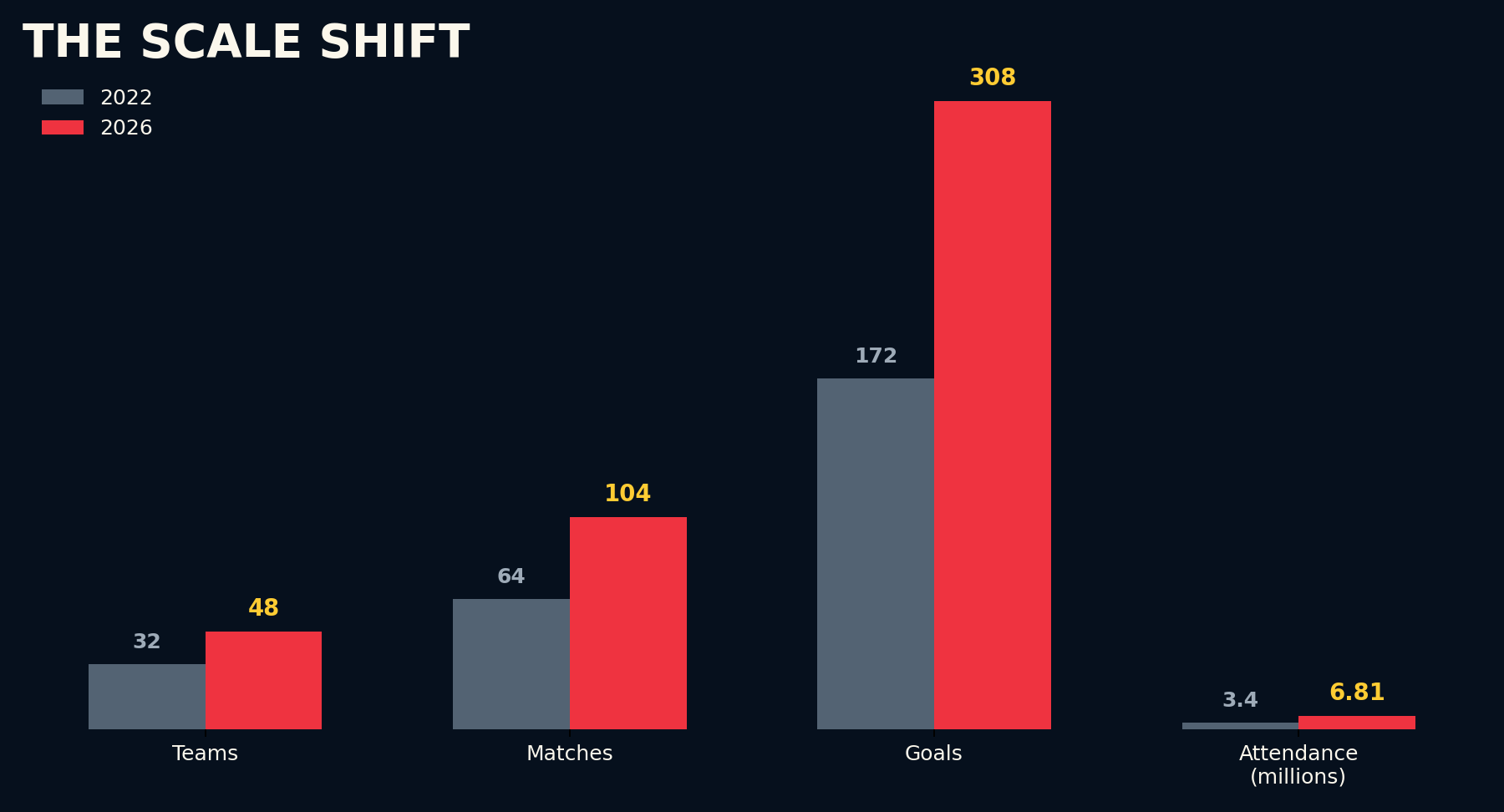
Forty-eight teams created more pathways, more protagonists and enough jeopardy to quiet format fears.
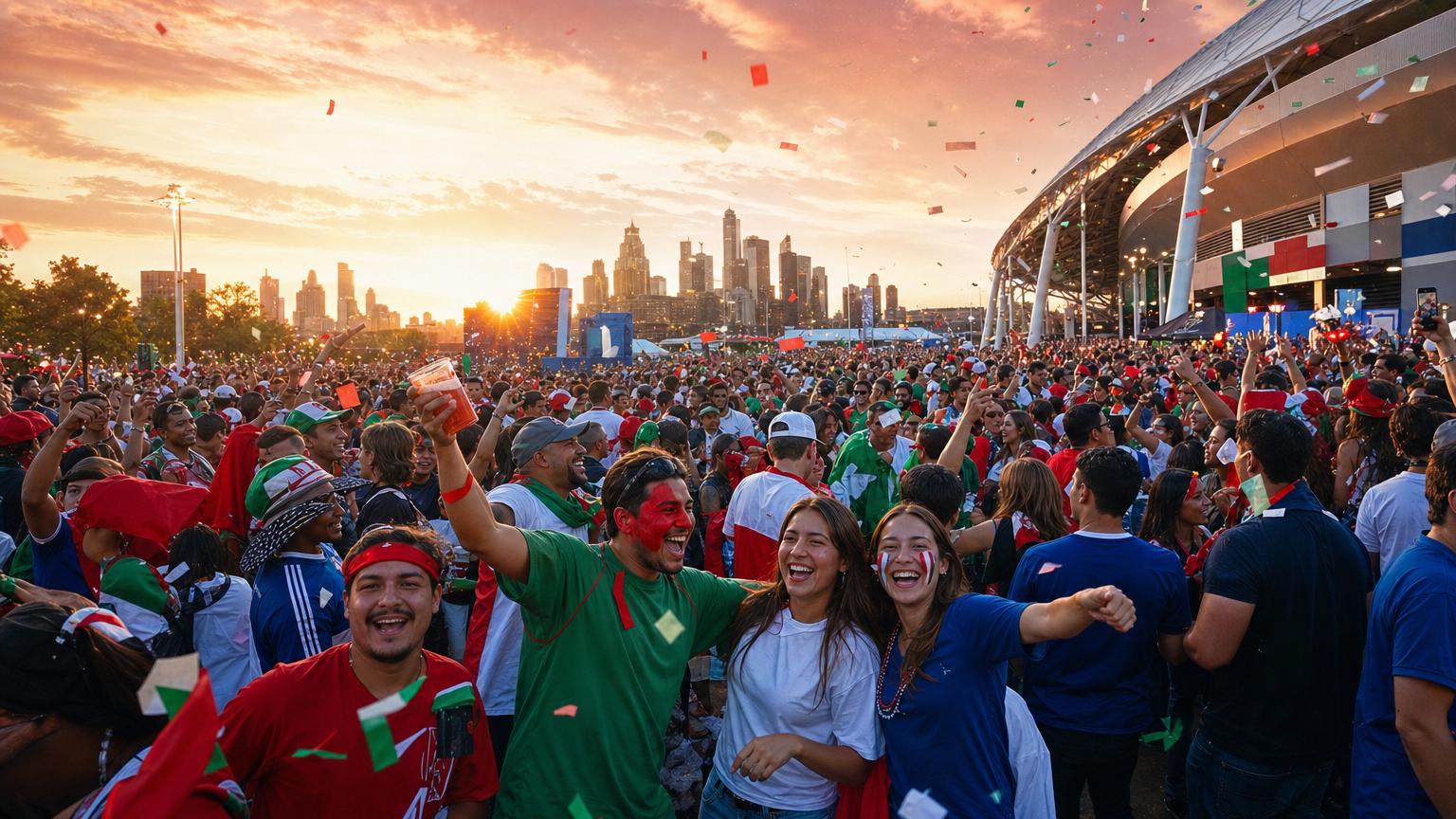
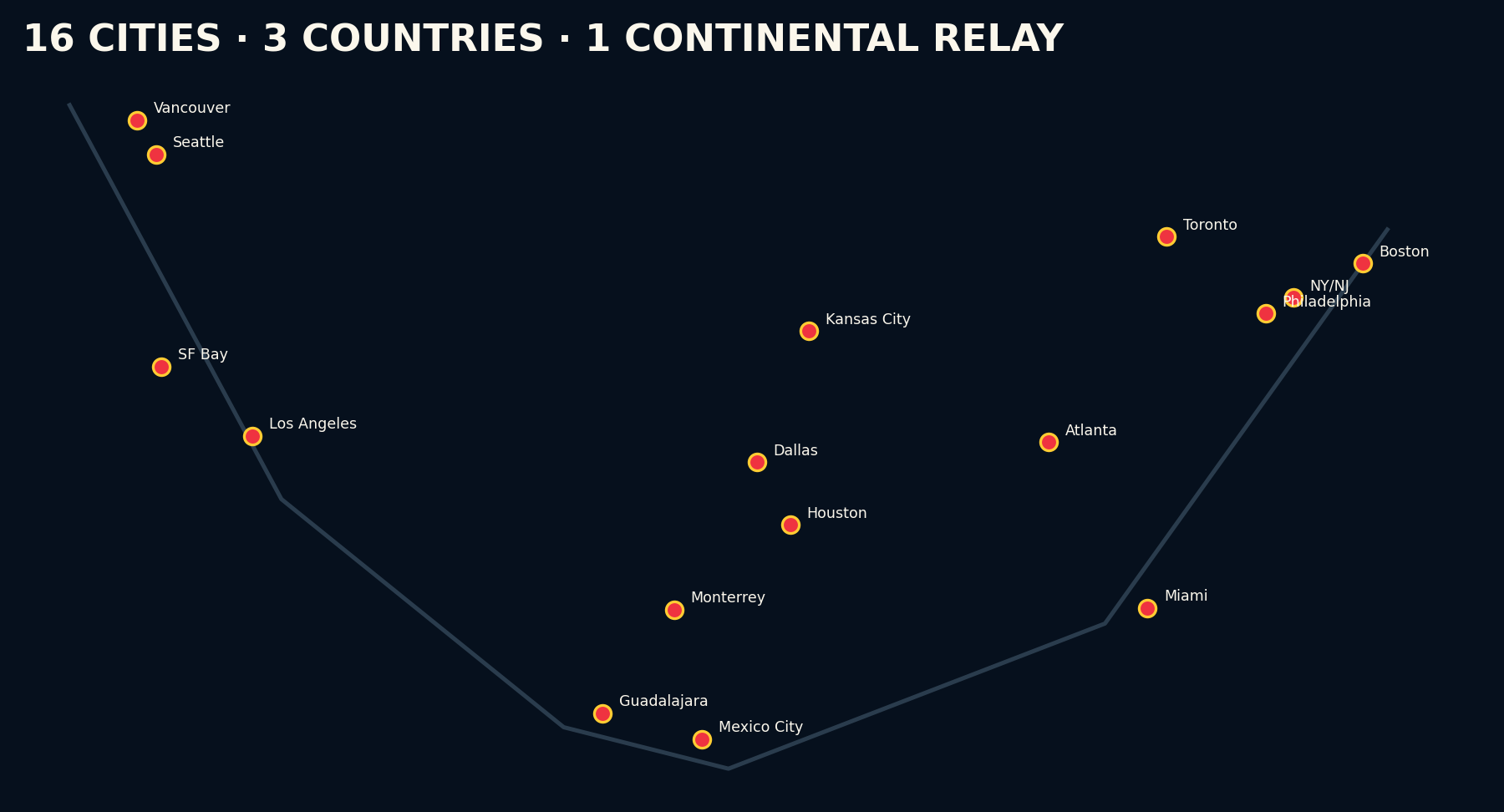
Three countries, 16 cities, record crowds and a tournament footprint unlike anything before it.
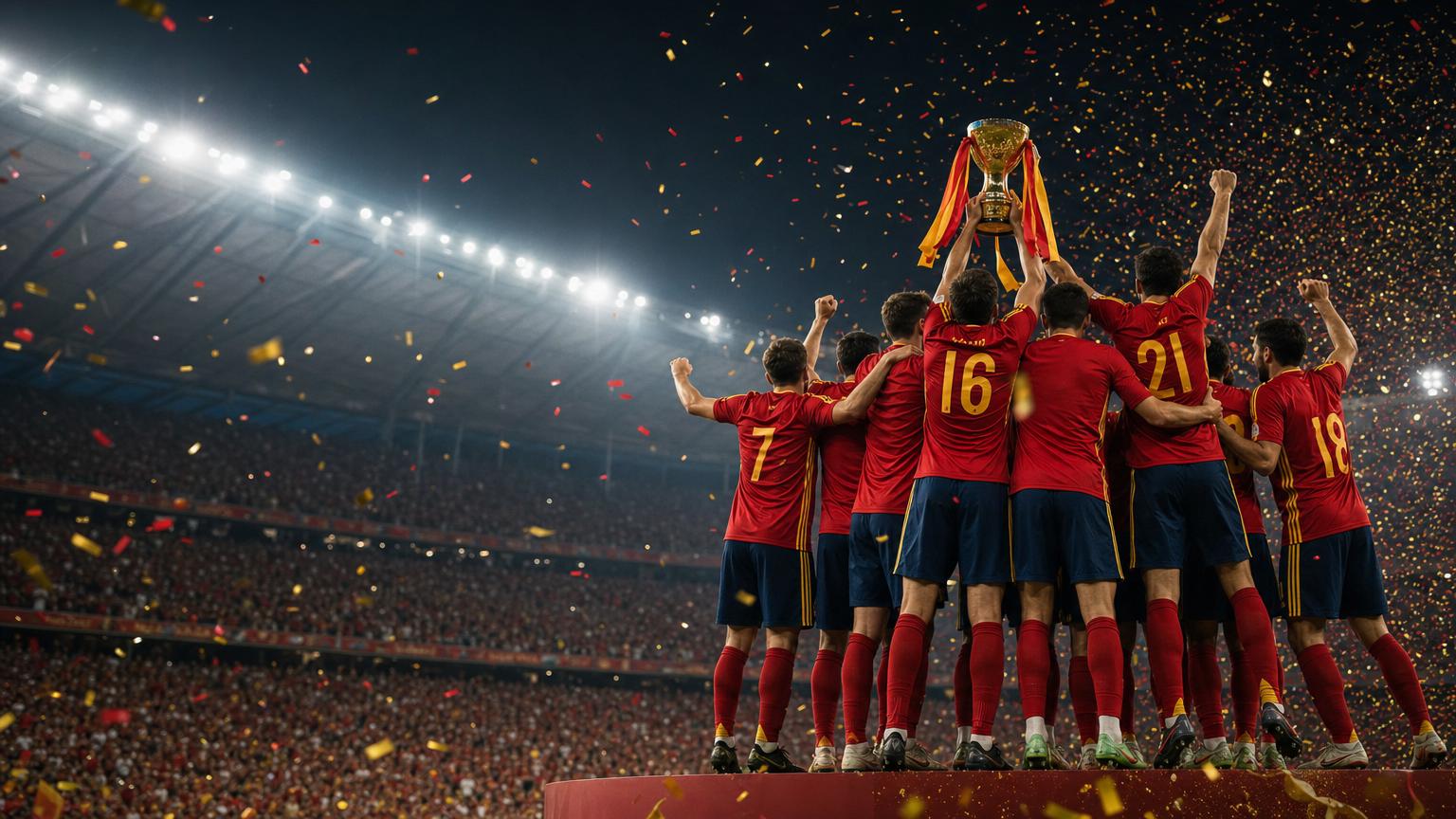

Second-half substitute. First tournament goal. The defining finish of his career.
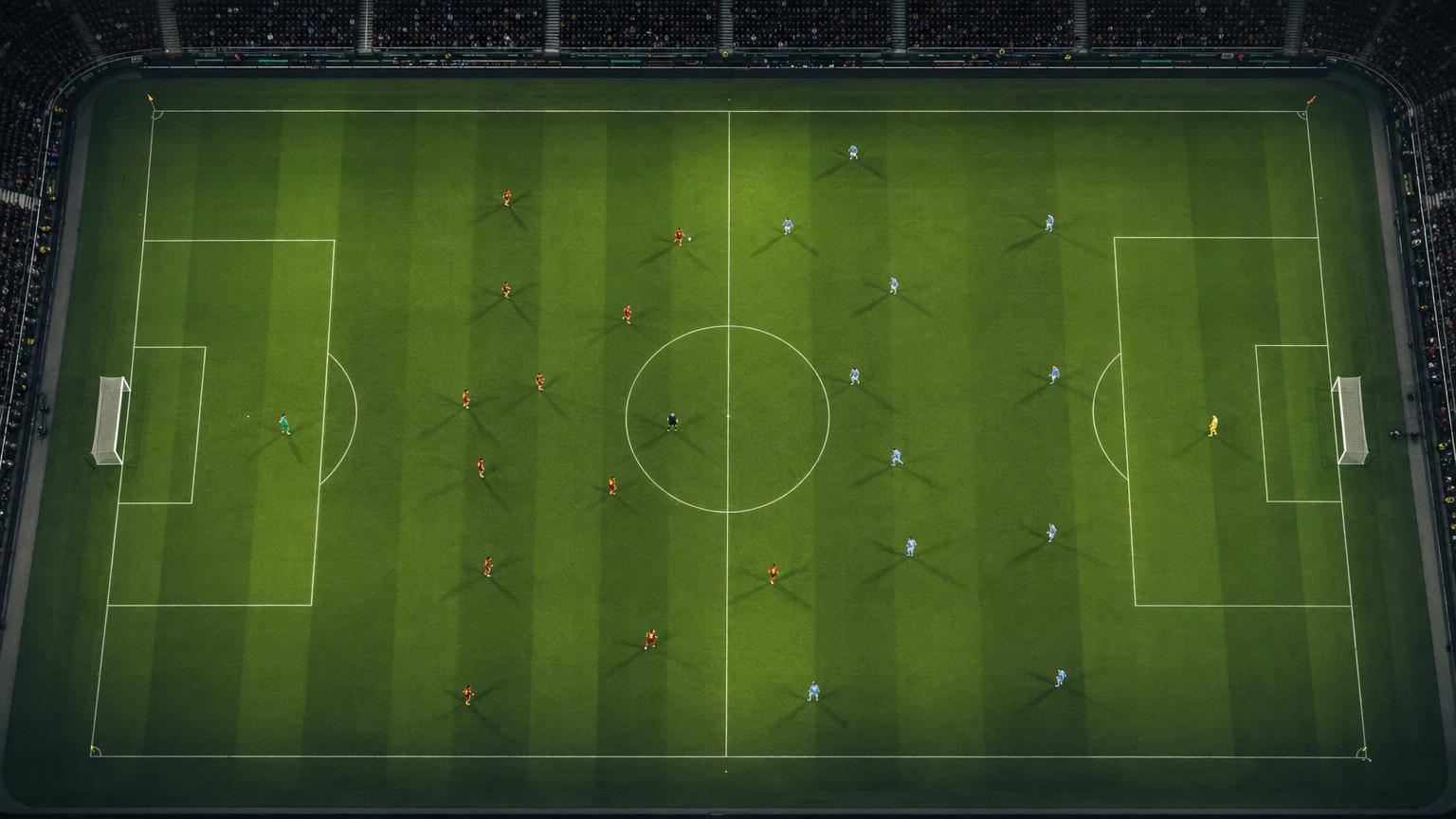
Spain produced the match’s first 20 attempts.
Emiliano Martínez kept Argentina within one goal.

Opponents rarely accessed dangerous areas.
Transition windows closed before they opened.
The winning goal came from the bench.
The structure held through extra time.


Rodri · Spain
Control and command across eight matches.
Kylian Mbappé · France
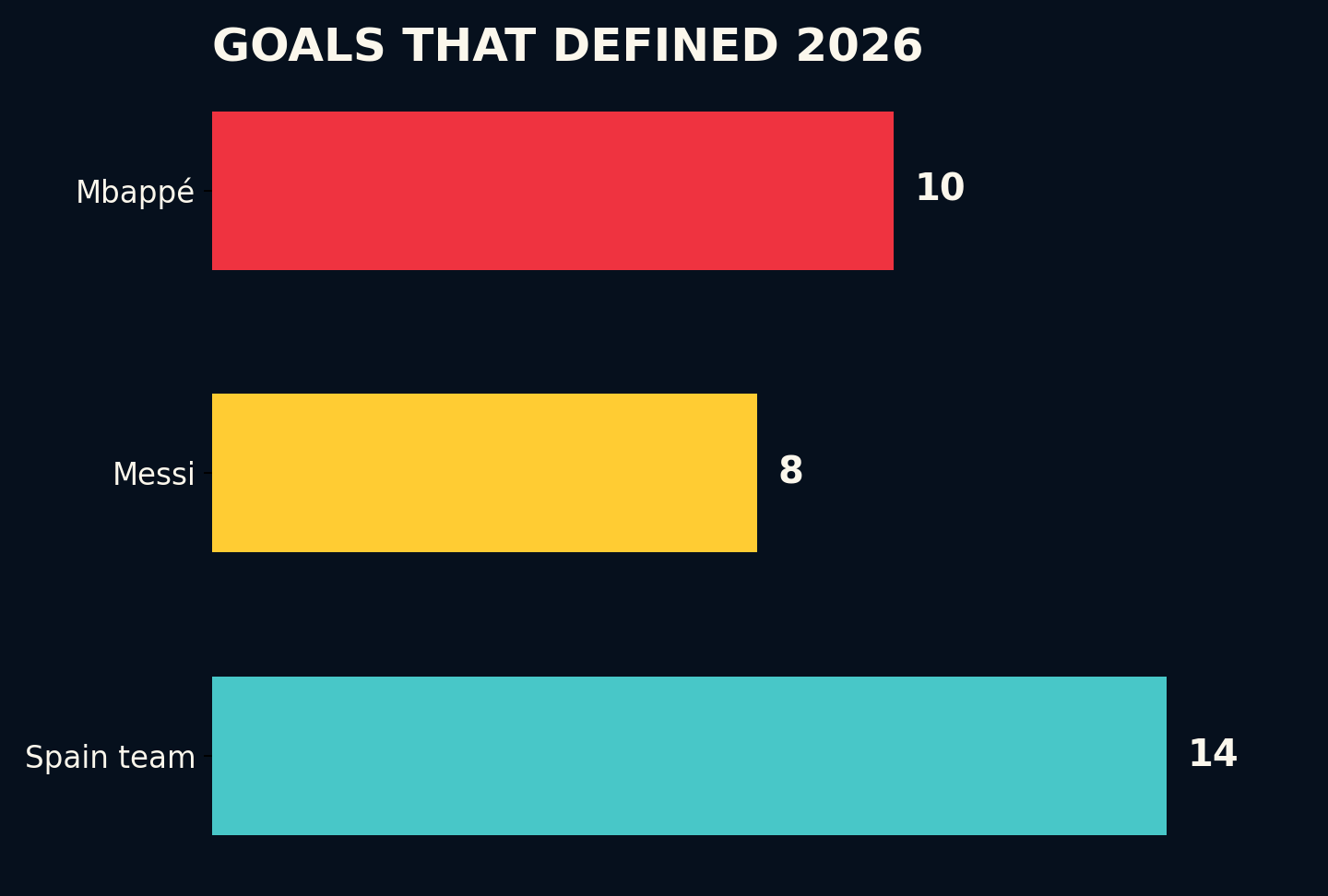
10 goals and 22 career World Cup goals.
Unai Simón · Spain
Seven clean sheets.
Pau Cubarsí · Spain
Teenage center-back at the heart of the defense.
Lionel Messi · Argentina
Eight goals and another final.
Netherlands
FIFA Fair Play Trophy.
Historic first appearances, new national heroes, more cross-confederation matches and a wider commercial runway.
All four semifinalists were former champions. The knockout rounds still rewarded depth, structure and star quality.
The opening chapters widened. The finish stayed elite.

Held Spain 0–0, reached the round of 32 and pushed Argentina to extra time.
Advanced from the group stage and forced England to work.
Entered the final group match still alive — proof the new edge could compete.


2026 felt like an ending for some legends — and a beginning for Cubarsí, Yamal and the generation behind them.
Mexico City launched the tournament. New York New Jersey hosted the 104th match and final.

Hydration breaks raised questions about rhythm, player welfare and future protocols.
Marginal calls produced accuracy — and fresh frustration over emotion and trust.
Strong demand coexisted with concern over ticket pricing and resale dynamics.
A continental footprint amplified recovery, logistics and competitive-balance debates.
The lesson is not to shrink the event. It is to make scale feel simpler.
More countries can build credible pathways to the global stage.
Transport and climate planning matter as much as stadiums.
Forty-eight national stories create more local relevance.
More inventory makes narrative curation essential.
Depth and load management became winning capabilities.
Preserve inclusion while reducing operational friction.
Spain leave with the trophy. North America leaves a blueprint. Football leaves 2026 larger than it entered.
Metrics reflect FIFA’s published post-tournament review. Editorial conclusions are synthesis. Prepared 20 July 2026.
Research current information, develop the narrative, and publish a polished presentation from one workspace.
Create a presentation